

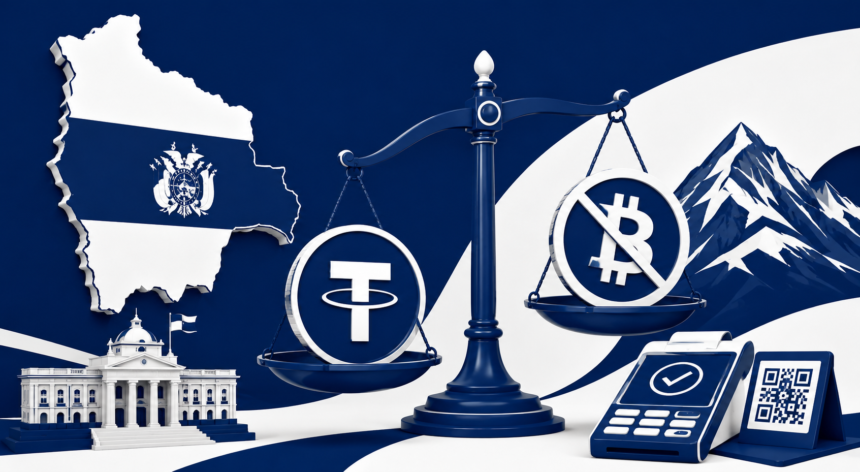
Bolivia is considering a proposal that could give USDT a formal place in the country’s payments ecosystem, as officials look for ways to ease the ongoing dollar shortage. Bolivia’s Economy Minister, José Gabriel Espinoza, on Monday said authorities are carrying out a technical review before making any final decision.
On July 10, Espinoza said officials are examining whether USDT can circulate in the country’s payments ecosystem along with the U.S. dollar and Bolivia’s national currency. If the government approves the proposal, businesses and consumers will be able to use the stablecoin for daily transactions under a legal framework.
Dollar Shortage Pushes Demand for Stablecoin
Bolivia has faced growing pressure from a lack of U.S. dollars for several years. Lower gas production and exports have reduced foreign currency reserves, leaving many importers and businesses unable to secure enough dollars for overseas payments.
Pressure increased during 2024 as companies searched for other payment methods. USDT gained wider use because its value stays near one dollar, making cross-border payments more predictable than assets with large price swings.
Growing interest has also reached the banking sector. Banco Unión and Banco FIE already offer cryptocurrency-related services, showing broader institutional support while authorities continue reviewing the possible role of digital assets in the country’s financial system.
Government Sees Practical Use for USDT Over Bitcoin
Bolivian authorities are studying USDT instead of Bitcoin because price stability is considered more suitable for regular payments. Bitcoin can gain or lose significantly within a day, creating uncertainty for imports, salaries, and everyday purchases.
A stable value makes USDT more suitable for businesses paying foreign suppliers and for individuals sending remittances across borders. Government officials are reviewing a payment option that can operate with fewer price changes than Bitcoin.
The cryptocurrency community has questioned why the government did not select Bitcoin. Government discussions have remained focused on USDT because its stable value makes it better suited for payment needs during a period of limited dollar availability.